
Register or log in to access this video
New York • September 8 & 9, 2027
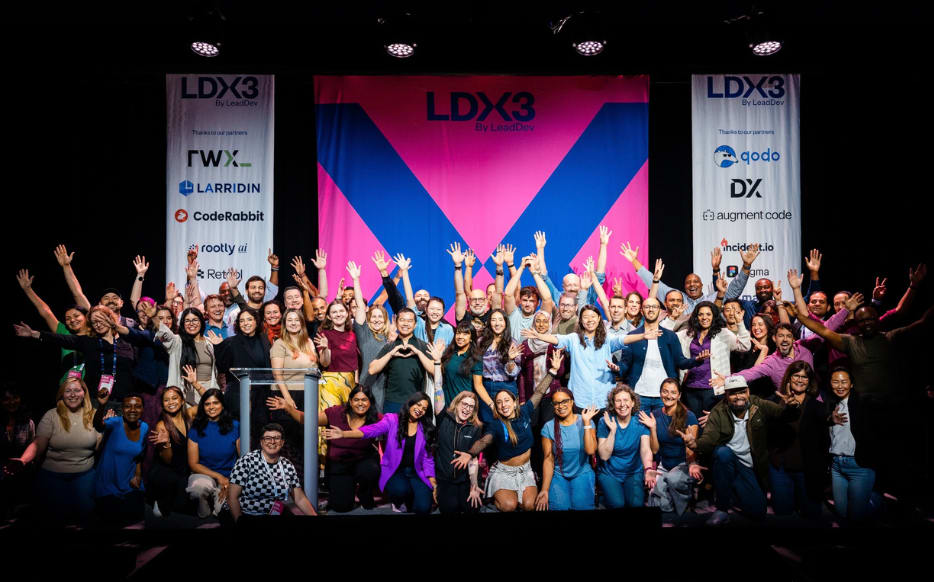
Loved LDX3 New York? Pre-sale tickets for 2027 are now available.
Legacy systems are often treated as a necessary evil: work to be endured before moving on to more “real, strategic” projects. Early in my career, I spent several years working in brownfield systems before transitioning to large-scale microservices. At the time, that move felt like a step up. But looking back, the most valuable skills I relied on—judgment, prioritization, and trade-off thinking—were developed in those earlier environments.
Legacy systems force engineers to work with incomplete context, fragile dependencies, production risk, and hard trade-offs. Small changes matter, assumptions break, and second-order effects are everywhere. You learn to think carefully about blast radius, release order, rollback, and what “good enough” really means.
In this talk, I’ll share how brownfield work builds engineering judgment in ways greenfield environments often do not. Through examples from legacy and microservice systems, I’ll show how constrained environments sharpen prioritization, change management, and technical decision-making. I’ll also explore what leaders can do with this insight: how to identify high-leverage legacy work, assign it intentionally, and make its value visible as a growth path rather than a punishment. You’ll leave with a new way to think about legacy systems: not as a career compromise, but as one of the best training grounds for stronger engineers and more resilient technical leaders.
Key takeaways:
- Understand how legacy systems develop engineering judgment and decision-making
- Identify high-leverage improvements within complex, constrained systems
- Apply legacy lessons to architecture, scaling, and production risk
- Recognize and communicate the strategic value of brownfield work
- Use legacy work intentionally to grow senior engineers and strengthen systems