
Latest

-
In partnership with Augment Code
The engineer’s guide to building a software factory
Build loops, not just agents.
-
 In partnership with Harness
Unlocking ROI through development, release, and experimentation velocity
Learn how faster, more reliable delivery pipelines can unlock experimentation ROI, improve release confidence, and drive compounding gains across teams.
Editor’s picks
The quickly evolving role of QA
In fast-paced software development environments, the way you think about quality assurance needs to change.
New York • September 8 & 9, 2027
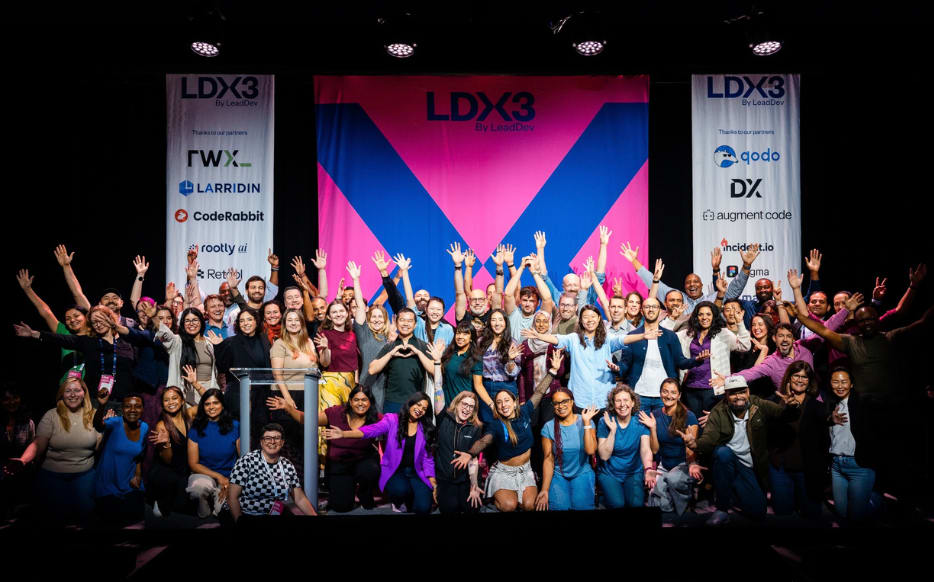
Loved LDX3 New York? Pre-sale tickets for 2027 are now available.
Essential reading

How to bake quality into your teams’ coding process
Taking code quality beyond documentation and into the fabric of your team’s work.
On our Software Quality playlist

Ways your teams can (realistically) prioritize code quality
Code matters – learn how to create a culture of quality in your organisation

Using clinical science to effectively tackle code review anxiety
Uncover the science behind code review anxiety, its cognitive triggers, and actionable strategies to reduce anxiety, fostering a healthier code review culture for all developers.

A guide to creating a great code documentation culture
If your teams are struggling with code documentation, watch this on-demand webinar, where our panel of engineering leaders will discuss best practices and strategies to get started. Code documentation is often viewed as a necessary evil by development teams. There’s no doubt that mastering the art…

Building a better testing culture
How can engineering leaders create a healthy testing culture with clear strategies in place?

Take back control of code quality
In this talk, Joel Chippindale shares stories from his experiences in leading engineering teams that illustrate the dynamics between team members and with stakeholders that lead teams to lose control of code quality.


The festival for modern engineering leadership
New York • September 15 & 16, 2026
More about Software Quality
-
The quickly evolving role of QA
In fast-paced software development environments, the way you think about quality assurance needs to change.
-
In partnership with Harness
How Envoy freed their developers from DIY feature flags
It’s time to break free.
-
Inside the tech overhaul of Big Brother’s voting system
The real-life issues engineers faced behind the scenes while implementing a user verification solution for Big Brother.
-
The CrowdStrike disaster is a lesson about testing
What’s been dubbed the world’s biggest IT outage should be a wakeup call to the industry.
-
5 lessons from CrowdStrike’s global outage
What can engineering leaders learn from one of the biggest IT disasters in history?
-
How to standardize codebases across teams
As your organization scales it can become more and more difficult to maintain standards across code bases. Here’s how to overcome the hurdles.
Top Software Quality Videos
-

Why shifting left is so important for software developers
Jemiah Sius talks about how shifting left has become increasingly important in the software development industry as organizations strive to release high-quality software products more quickly and efficiently. By integrating observability, security, and testing practices earlier in the development cycle, developers can identify and address issues more effectively.
-

a11y is your MVP: Moving fast without breaking accessibility
Plum Ertz talks about how, despite the growing discussion in the industry about digital accessibility, putting those debates into action can still be challenging in today’s world of “doing more with less”.
-

Slaying the Goliath: Lessons learned from a full system re-write
Brian Genisio shares the lessons we learned from our multi-year journey, including project planning, team management, technical challenges, testing and deployment, and post-project analysis.
-

How much is that API call in the window?
Mark Robinson talks about how in recent years, cloud computing has transformed the way businesses store, manage, and analyze their data.
-

Working on software that is older than you
Sally Wahba shares her views on working on an older codebase. She will share her experience watching the codebase evolve from incorporating acquired startups, to consolidating code branches. She will share pain points that she found to be repeated after joining a younger company.
-
In partnership with Chronosphere
How Observability Can Boost Engineering Productivity
Join Chronosphere’s Field CTO, Ian Smith, to learn how cloud native observability reduces burnout and boosts engineering team productivity.
-

The dark side of standardization
Samantha Schaevitz wants you to leave this talk better equipped to decide whether embarking on a standardization project is right for your stack or organization, and how to do it in a way that avoids common pitfalls along the way.
-

Why onboarding to a company’s legacy codebase sucks, and how to make it work for your team
Shanea Leven discusses the history and context of the problems that plague codebase onboarding. And with problems come solutions such as tips and tools that make it easier for engineers to onboard a legacy codebase.